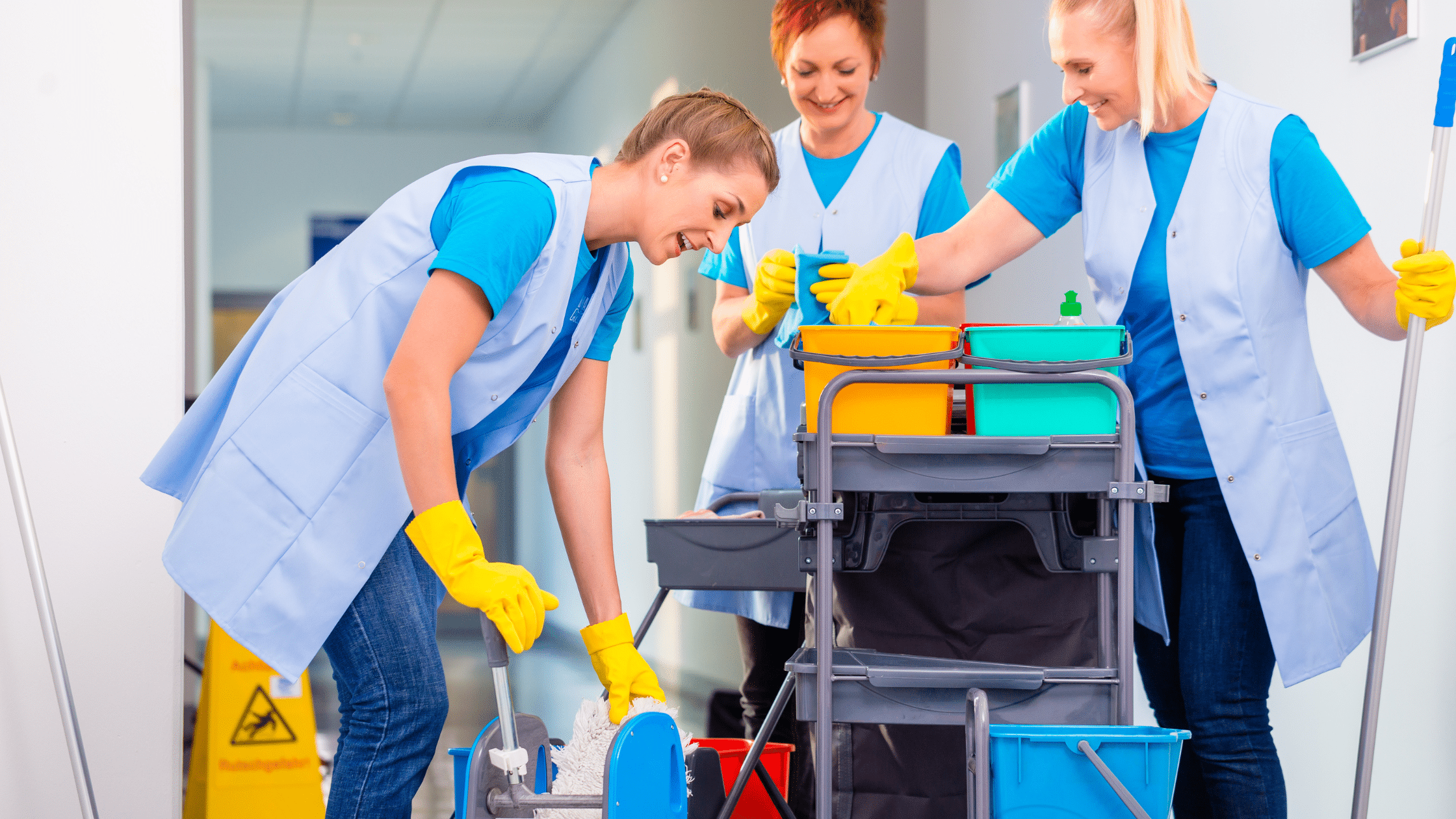

In this time of global coronavirus pandemic, anxiety is at its peak. The good news is that in Quebec, we have a Premier who is truly on top of things and taking every measure to protect us. But as private businesses, public organizations, and the general population, we all have our share of responsibility. So, what concrete steps can we take to prevent the spread of the virus right now?
Avoid direct contact
So, avoiding direct contact starts by avoiding shaking hands. You can give each other an elbow, a foot, or even a Japanese-style greeting. It also means keeping 2 meters apart when we go to a public space. Avoid gatherings at this time.
Avoiding contact with older adults, who are most at risk during this pandemic, while helping them get through this situation. Great initiatives are underway. Some will bring them sanitary supplies and ready-made meals. Ask the elderly people around you what you can do for them so they don't have to leave their homes: Ordering, running errands, etc.
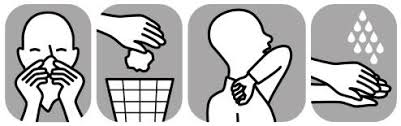
Coughing or sneezing into our elbow
Nothing could be simpler, right? But you also need to use disposable tissues and throw them in the trash immediately afterward. It's also important to keep your hands and fingers away from your mouth, ears, and nose. This isn't something the population has yet adopted. It's a habit that needs to be established, just as much as handwashing.
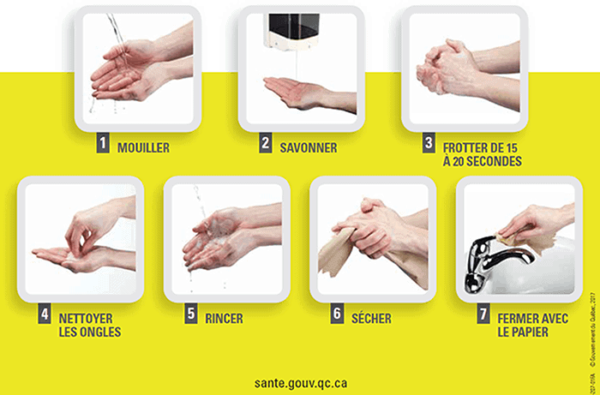
Wash your hands for 20 to 30 seconds very regularly.
Why is it so important to wash your hands for at least 20 seconds? Simply because tests have been done and after 20 to 30 seconds, people have eliminated viruses after that time. Give yourself tips for washing your hands for at least 20 seconds. For example, do the rhyme we learned in our childhood about the alphabet! Sometimes, you have to keep it simple!
Wearing disposable nitrile gloves for housekeeping workers
This virus isn't visible to the naked eye. So we can't assume everything is safe. Furthermore, sometimes a person doesn't show symptoms, which is called asymptomatic, and that person can contaminate surfaces without knowing it. Furthermore, we can't wear the same pair of gloves all day, all week! Let's be logical and change our gloves very regularly.
High-risk contact points for contamination are washed and disinfected.
So, on this subject, some points are worth highlighting:
- It is useful to use a disinfectant that carries the bactericidal or virucidal mention. Be careful to respect the correct dilution. How do I know what the correct dilution is? It is written on the container.
- Additionally, when you prepare the product dilution, this preparation will be effective for 24 hours only. So the next day, we make a new dilution. So, there is no need to prepare it long in advance.
- What are high-risk contact points for contamination? These are the points where people put their hands very often: door handles and half-moons, handrails, poles in subway cars, chair armrests, tables, benches, etc. Here is an article about the high touch. I will also be publishing several posts on my social media to show examples of this in the coming weeks.
We offer refresher training to housekeeping employees
What we're currently going through requires surface cleaning and disinfection. We can't do just anything and anyhow. We need to be coordinated and organized. Employees are also worried about themselves and their families. They need to take stock and be guided. Don't skimp on training; they'll be involved in containing the coronavirus for weeks. Let's equip them properly, too. They'll need to have sufficient supplies:

- Wash cloths that respect the color code and prevent cross-contamination (green, red, yellow and blue)
- Regular laundry products, since you can't disinfect if it's dirty. So, you wash and then disinfect.
- Disinfectant labeled Bactericidal or Virucidal.
- Equip them with the right washing tools and equipment (clean cart that meets their needs)
- Dry steam disinfection device
- Disposable or washable coverall for everyday use
- N95 masks
- Disposable nitrile gloves
- Safety glasses
- Also, plan on doing a lot of washing on a daily basis. Therefore, you will need to have a washer and dryer on site.
- A fabric upholstery washer may be required.
- Of course, the quantities will depend on the work you need to do.
So, in closing, I have illustrated for you, in French and English, the points listed above. You can print and display them in your premises without any problem.
Let's be responsible and united. And if I may, good luck!
CF Salubrité Inc Covid-19 Emergency Services
For our consulting services, if you have any needs, we are at the service of companies and public and private organizations that require it. We are available for:
- All businesses must remain open, whether industrial, food, educational or hotel;
- Institutional buildings, municipalities, public bodies;
- The Quebec and Canadian governments.
Let's meet if we have to, while taking precautions. Our services are offered in Canada.
Contact us: 514-795-5962 or by e-mail