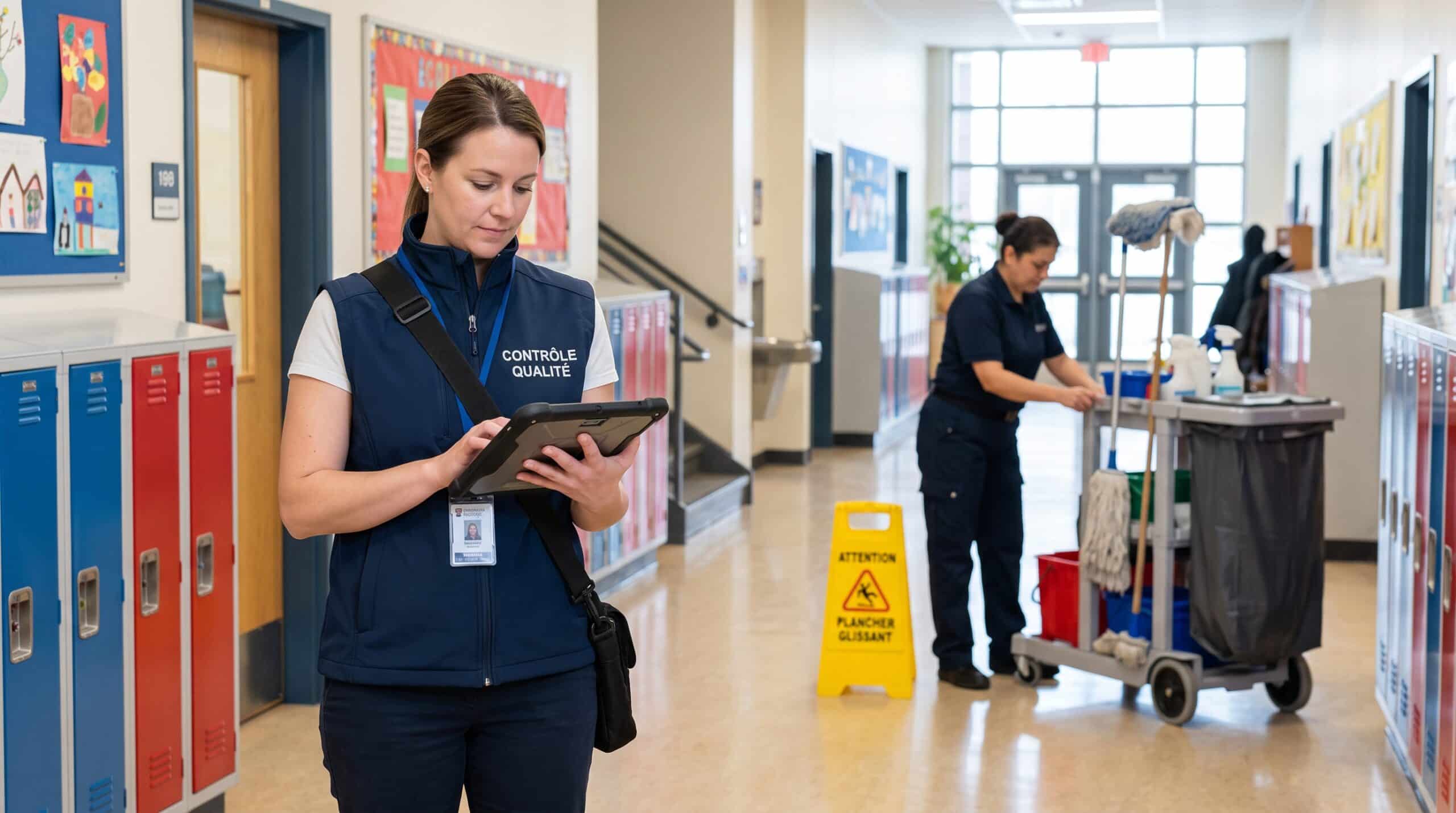

The housekeeping of a building is not simply a matter of aesthetics or order. It is a determining factor in the health, safety, and well-being of the people who live or work there. An environment A clean and well-maintained environment helps prevent many physical and psychological health problems, while promoting a healthy and pleasant indoor climate.
1. Reduction of allergens and contaminants
Regular and thorough cleaning allows to limit the presence of dust, pollen, mold, dust mites, and other irritating particles. These elements, often invisible to the naked eye, can cause allergic reactions, skin irritations, or respiratory problems such as asthma. Carpet maintenance, Ventilation ducts and textile surfaces are particularly important, as these areas easily accumulate allergens. Furthermore, using vacuum cleaners with HEPA filters and eco-friendly cleaning products reduces the dispersion of harmful substances into the air.
2. Prevention of the spread of infections
Common areas in a building, such as elevators, door handles, stair railings, and bathrooms, are frequent contact points (high touch) where germs can spread rapidly. A regular cleaning protocol, including the Disinfecting high-risk surfaces helps limit the spread of viruses and bacteria that cause infectious diseases. In workplaces and public institutions, this measure is essential to reduce absenteeism and protect vulnerable people.
Several definitions are frequently confused. Here is an article concerning the common definitions.
3. Improvement of indoor air quality
Indoor air quality depends largely on cleanliness. Suspended particles, volatile organic compounds (VOCs) from certain cleaning products, and mold can all negatively impact air quality.polluting the air can cause headaches, fatigue, or respiratory irritation. Well-planned housekeeping, combined with good ventilation and the use of non-toxic products, helps maintain cleaner, healthier air. This is especially important in modern buildings., often very sealed, where pollutants can accumulate rapidly.
To that end, here is an interesting article concerning the Volatile organic compounds (VOCs) written by Innu Science.
4. Preservation of psychological well-being
A clean and tidy environment also has a positive impact on mental health. Dirt, clutter, and unpleasant odors can generate stress, anxiety, and a feeling of discomfort. Conversely, a clean space promotes relaxation, concentration, and productivity. In professional settings, regular maintenance helps create a a more pleasant working environment and to strengthen the sense of respect and security among employees.
Autumn is such a beautiful season for tidy up, reorganize and clean.
5. Preventing building deterioration
Proper housekeeping not only benefits the occupants but also the building's longevity. The accumulation of Dirt, moisture, or mold can damage materials, accelerate their wear and tear, and lead to high repair costs. By maintaining surfaces, floors, and installations in good condition, the longevity of the building is ensured. the safety of its users.
Regardless of the sector—commercial, industrial, food-related, institutional, or otherwise—building maintenance is a critical investment in the health and well-being of its occupants. It helps prevent illness, improve air quality, enhance psychological comfort, and preserve the building's value. A well-structured maintenance program, utilizing Environmentally friendly products and safe practices are a fundamental component of a healthy and sustainable living or working environment.