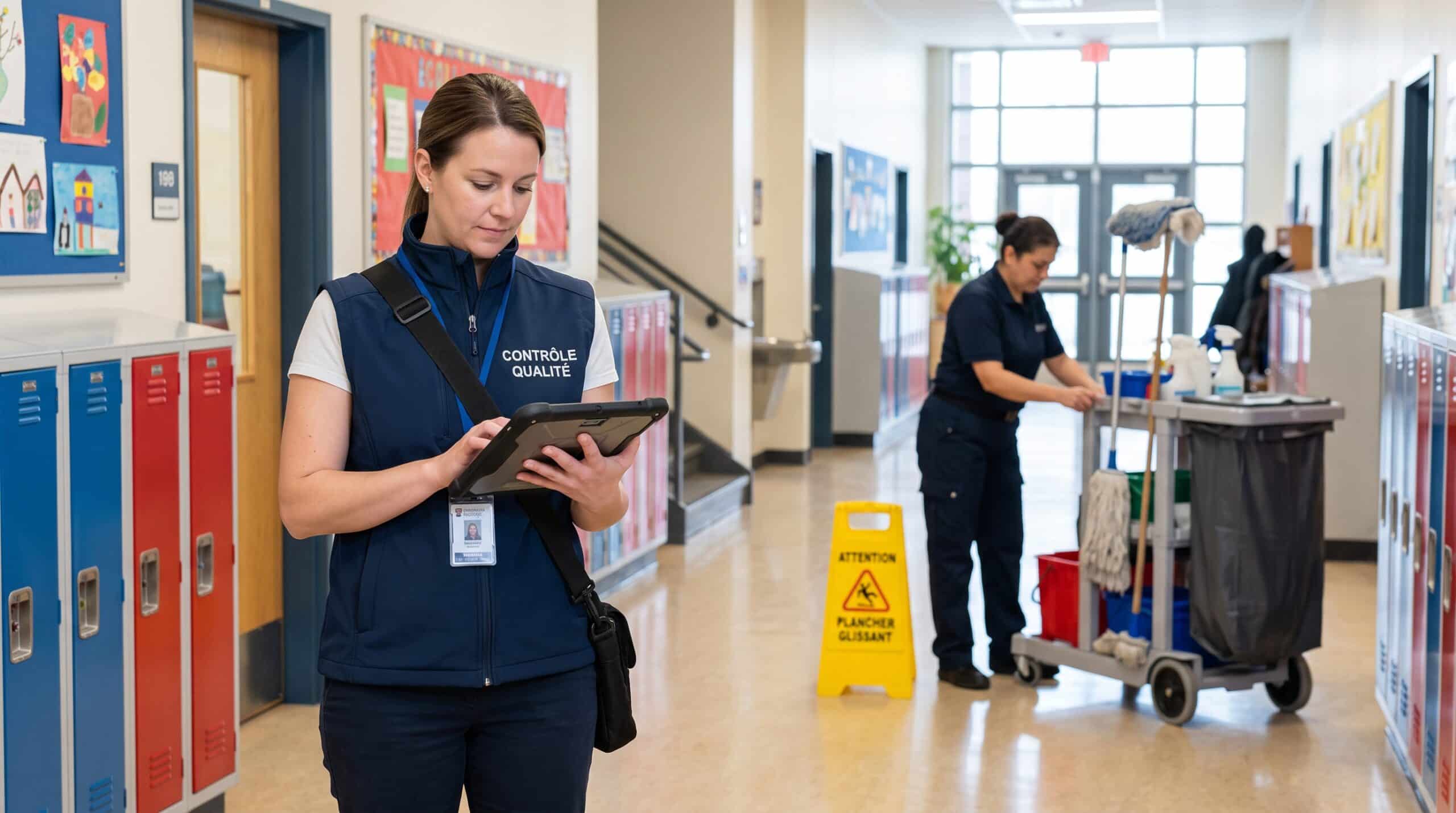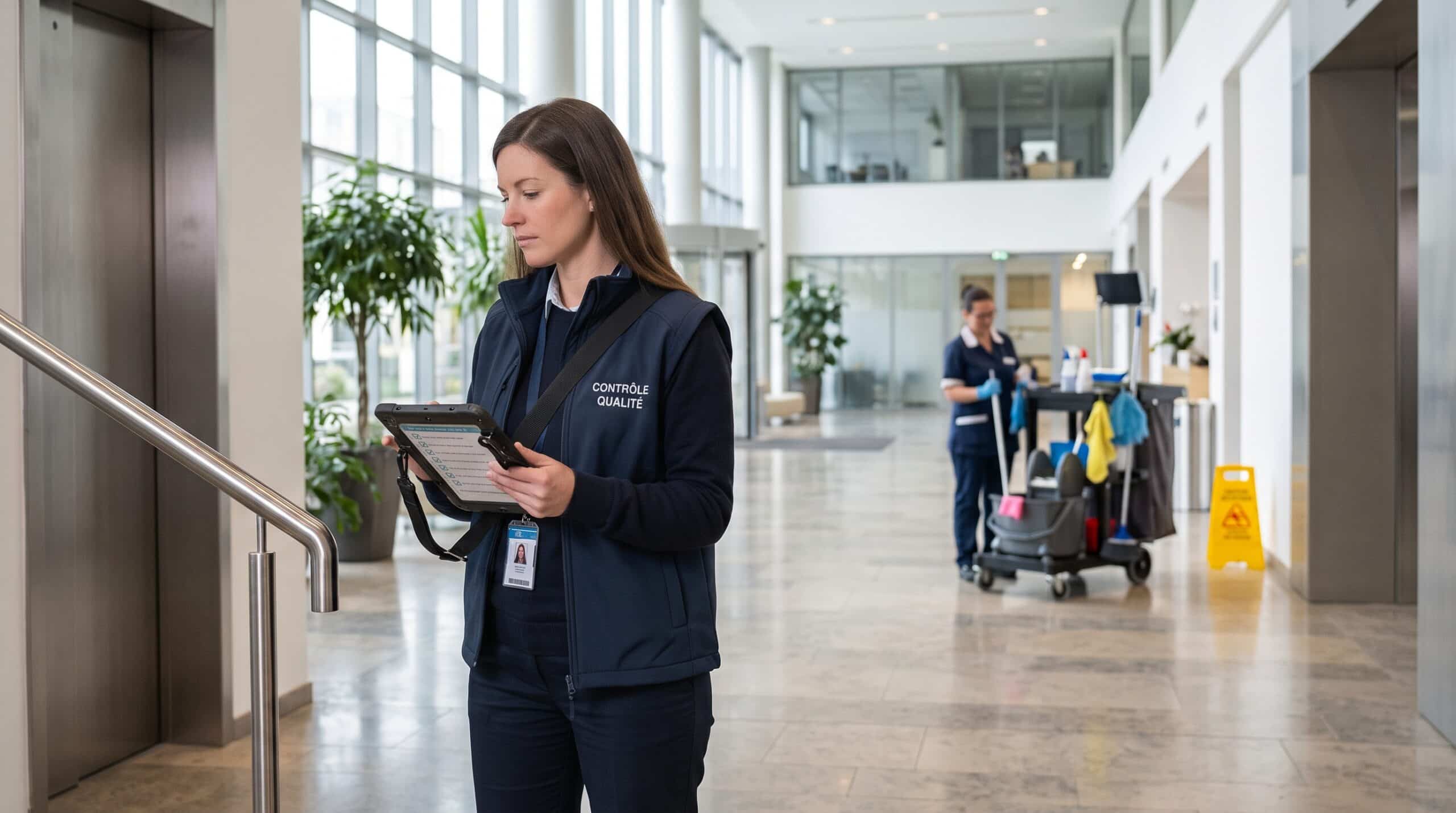

The success of a maintenance service depends largely on the housekeeping team management. Effective supervision improves the quality of work, increases productivity, and maintains occupant satisfaction. Here are the best practices a manager should implement to achieve lasting results.
1. Clarify the expectations of your housekeeping team
One of the main causes of errors or omissions is a lack of clarity in instructions. Every employee must know precisely:
- The tasks assigned to him;
- The execution frequencies; Here is an article about washing frequencies
- The expected quality standards;
- The building's specific procedures.
Visual and detailed work processes help reduce ambiguities and ensure consistency in results.
2. Provide ongoing training for housekeeping staff
Even experienced employees benefit from ongoing training. Products, equipment, and standards evolve every year. This even creates motivation.
An effective manager ensures that:
- Train new recruits as soon as they arrive;
- Provide regular updates (work techniques, new product or accessory, etc.);
- Correct bad habits quickly and positively;
- Raise awareness among the team regarding health and safety standards.
Training not only improves the quality of work, but also reduces the risk of accidents and property damage. The following article on How to care for surfaces without damaging them is interesting.
3. Monitor the quality of the housekeeping team
Trust is essential, but quality control remains indispensable for any housekeeping employee.
The inspections allow us to:
- Verify compliance with procedures;
- Quickly identify discrepancies;
- To recognize good work done;
- Preventing customer complaints.
The best managers use standardized inspection checklists to objectively assess their team's performance. Personally, I also find that these checklists don't allow me to determine the next steps to take with employees during refresher training.
4. Be present with your maintenance team
A manager who understands the realities on the ground inspires greater respect and collaboration. This presence must be positive.
Regular presence on site allows us to:
- Better understand the challenges encountered;
- Respond to questions quickly;
- Observe the working methods;
- Strengthen ties with employees.
Teams appreciate managers who are accessible and involved in day-to-day operations.
5. Communicate effectively with the team
Good communication is essential to the success of a housekeeping team.
The manager must:
- Inform of changes promptly;
- Give constructive feedback;
- Listen to employees' concerns;
- Encourage open dialogue.
Transparent communication fosters a climate of trust and reduces misunderstandings.
6. Recognize and value the work accomplished
Housekeeping work often goes unnoticed when it's done well. Yet, recognition remains a powerful a motivational lever.
A simple thank you, a positive mention, or public recognition can have a significant impact on employee engagement.
Teams that feel valued are generally more stable, more productive, and more focused on quality.
7. Plan resources effectively
A good manager knows how to balance the building's needs with the available resources. They could also bring in an expert for this (CF Salubrité could support you in this regard).
This includes, in particular:
- A fair distribution of tasks;
- Proper management of replacements;
- Monitoring product inventory;
- A planning of periodic work.
Rigorous organization helps to avoid work overload and costly oversights.
8. Prioritize health and safety
Prevention must be an integral part of daily management. What are the winning conditions for health and safety at work according to the CNESST? Read their article here.
The manager must ensure that:
- The equipment is used correctly; it must also be repaired and maintained.
- The products are handled safely; a product dispenser that allows for the correct balance reduces problems at this level.
- Employees wear the required protective equipment;
- Emergency procedures are known to everyone.
A culture of prevention protects both workers and the organization.
9. Develop team spirit
A united team works more efficiently and solves problems more easily.
The manager can strengthen cohesion by:
- Promoting mutual support;
- Organizing team meetings;
- They encourage mutual respect;
- Creating a positive work environment.
When employees collaborate well with each other, the quality of service is directly affected.
Conclusion
Managing a housekeeping team goes far beyond simply assigning tasks. A successful manager combines leadership, organization, communication, and quality control to achieve lasting results.
By applying these best practices, maintenance managers can improve their team's performance, increase customer satisfaction, and create a more motivating work environment for all staff.
At CF Salubrité, we support managers in optimizing their operations through efficient work routes, adapted product charters and quality control tools designed for the field.