
Critical areas and optimization: how to successfully maintain your school
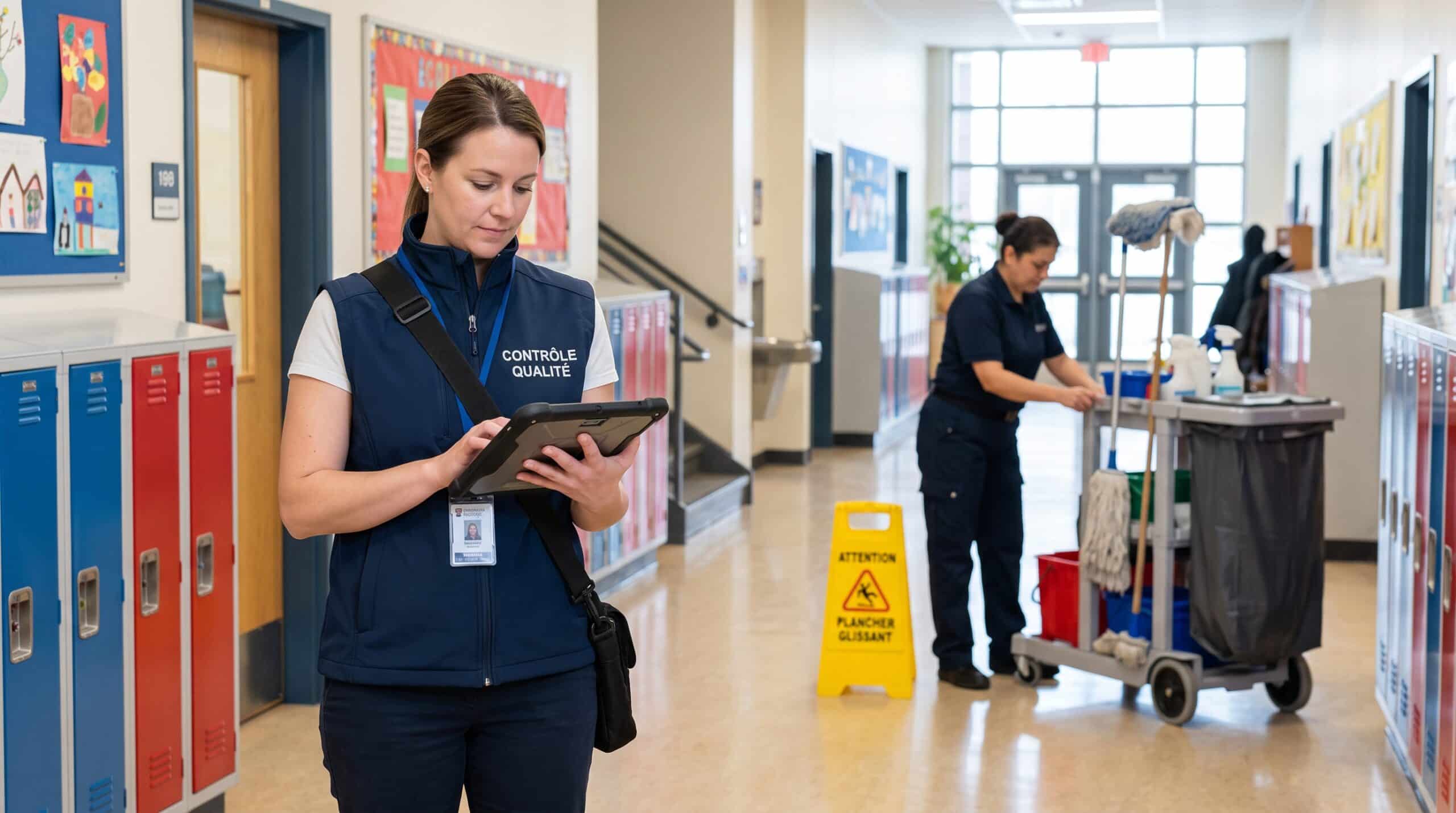
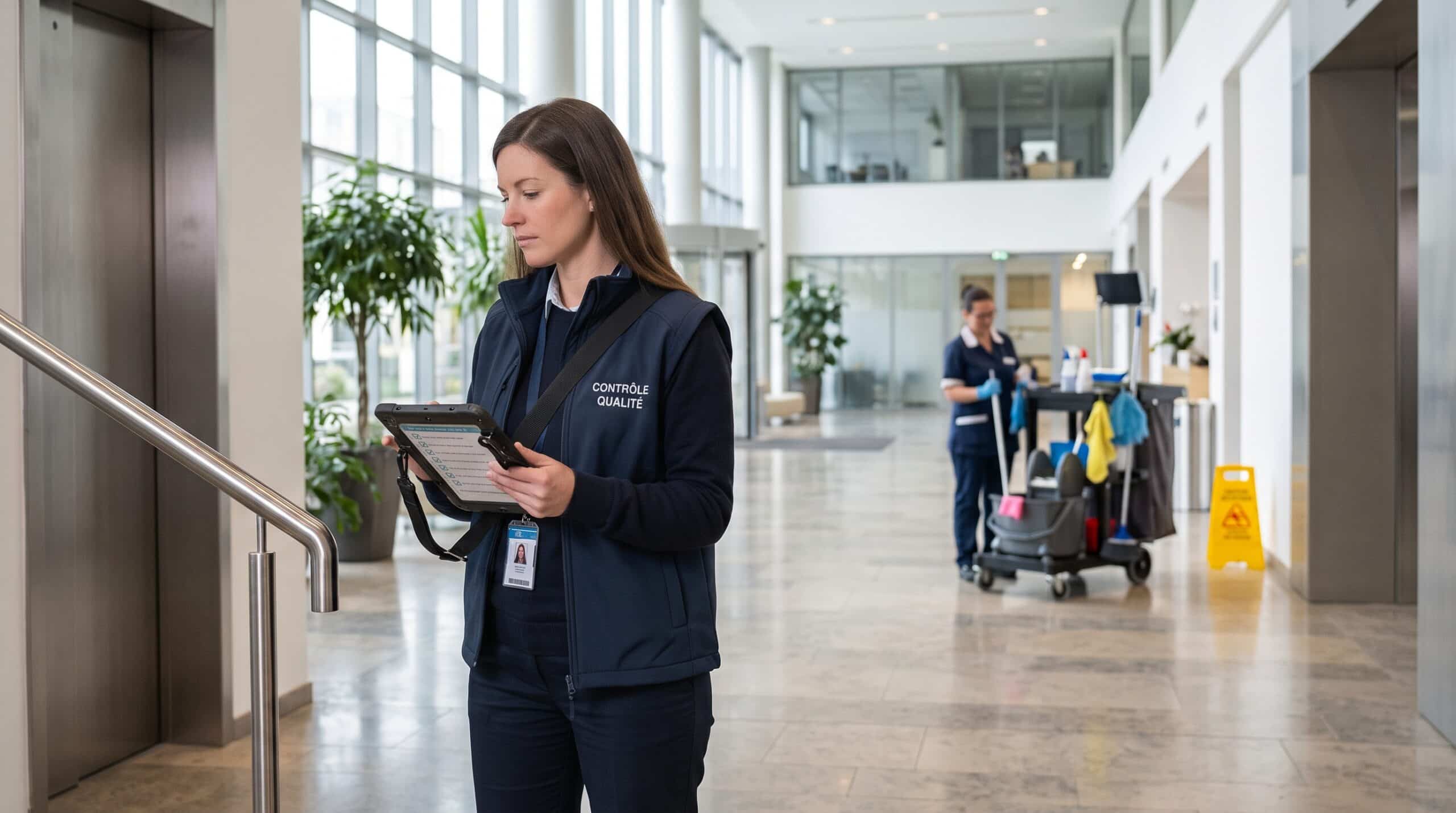
In each school, certain school critical zones These areas require special attention. This maintenance ensures the health, safety, and comfort of students and staff. From busy classrooms and restrooms to cafeterias, gymnasiums, and libraries, each space presents its own challenges. Optimizing the cleaning of these critical school areas helps prevent the spread of disease and ensures an environment conducive to learning and well-being for everyone.
Optimizing the maintenance of critical school areas
Certain areas of the school require special attention due to their high traffic. Entrances, restrooms, and changing rooms, particularly those connected to the swimming pool or sports facilities, are sensitive areas where hygiene must be impeccable. The cafeteria, the agora, and gathering spaces that bring together large numbers of students are also critical school areas. The volume of traffic and the type of clientele—children, teenagers, or external visitors—influence cleaning schedules.
For younger children, the frequency of floor washing should be increased. Children often leave debris lying around or spill liquids.
For secondary school students, attention will be focused on high-traffic areas: entrances, corridors and gathering spaces.
In vocational schools, some tasks are shared, such as in cabinetmaking or butchery. Students also learn how to maintain their workspaces.
At the CEGEP and university level, the main challenges are the large volume of daily traffic and extended hours, often from 6 a.m. to 11 p.m.
Identifying critical areas helps to determine when and how to organize the cleaning to maximize efficiency.
Optimize schedules and planning
Effective cleaning depends as much on the moment than methods. During the day, work should focus on high-traffic areas. It is essential to take advantage of times when students are in class to clean the vacated spaces: cafeteria, entrances, toilets, changing rooms.
Certain moments require systematic cleaning:
After the students returned to school in the morning
After lunch
After school
At CEGEP and university, after the end of evening classes
Planning smart work routes
It is essential to define logical routes for maintenance staff. These smart roads avoid backtracking and ensure that all critical school areas are covered.
Adapting techniques and products to each area ensures effective cleaning. This approach guarantees a clean, safe, and functional environment throughout the day.
Techniques and solutions for critical school zones
Pre-soaking and microfibers
The preferred technique will be pre-soaking. The employee prepares their buckets with pre-soaked microfiber cloths. This prevents recontamination of the cloths and allows for quick and efficient cleaning. Once mastered, this method improves cleaning quality and staff satisfaction.
Toilets and changing rooms
For toilets and changing rooms, cleaning must follow the principle of cleanest to dirtiest. This method limits the spread of germs and optimizes hygiene.
Ecological and biotechnological products
The use of ecological or biotechnological products allows for effective disinfection while reducing the risks associated with conventional chemicals. These products protect the health of students and staff and extend the lifespan of floors, furniture, and sports equipment. Here is an article on How to care for surfaces without damaging them.
Equipment and accessories
Flat wash system
Self-scrubbing machine : self-supporting, rear-push, portable for confined spaces
Microfiber cloths high-quality products, including those for glass, mirrors, and stainless steel
The collaboration of all
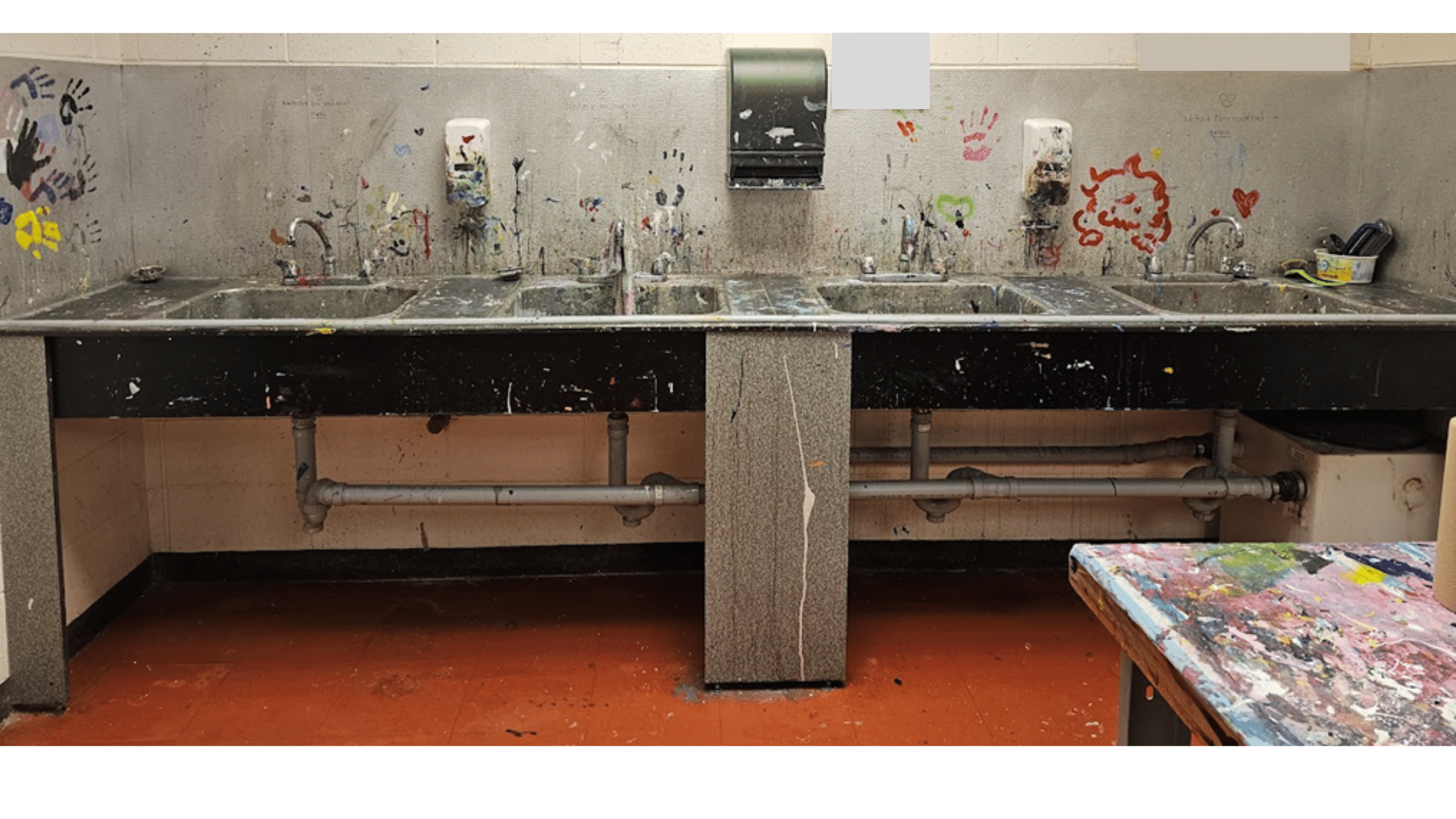
Also note that L'Cleaning a school requires the collaboration of EVERYONE. We wrote an article about this following a quality control inspection at a high school. This photo was indeed taken in one of our schools in Quebec! Admit it, there's room for better collaboration…
Conclusion
Succeeding in school maintenance isn't just about cleaning. A strategic approach tailored to each situation is necessary. school critical zone. Identifying high-traffic areas and scheduling cleaning times allows for more efficient cleaning. Using techniques like pre-soaking improves cleanliness and speeds up the process. Ecological or biotechnological products protect students' health and preserve surfaces and equipment. A well-thought-out organization ensures cleanliness, comfort, well-being, and safety on a daily basis.